
 Program
 YouTube
 Instagram
 Facebook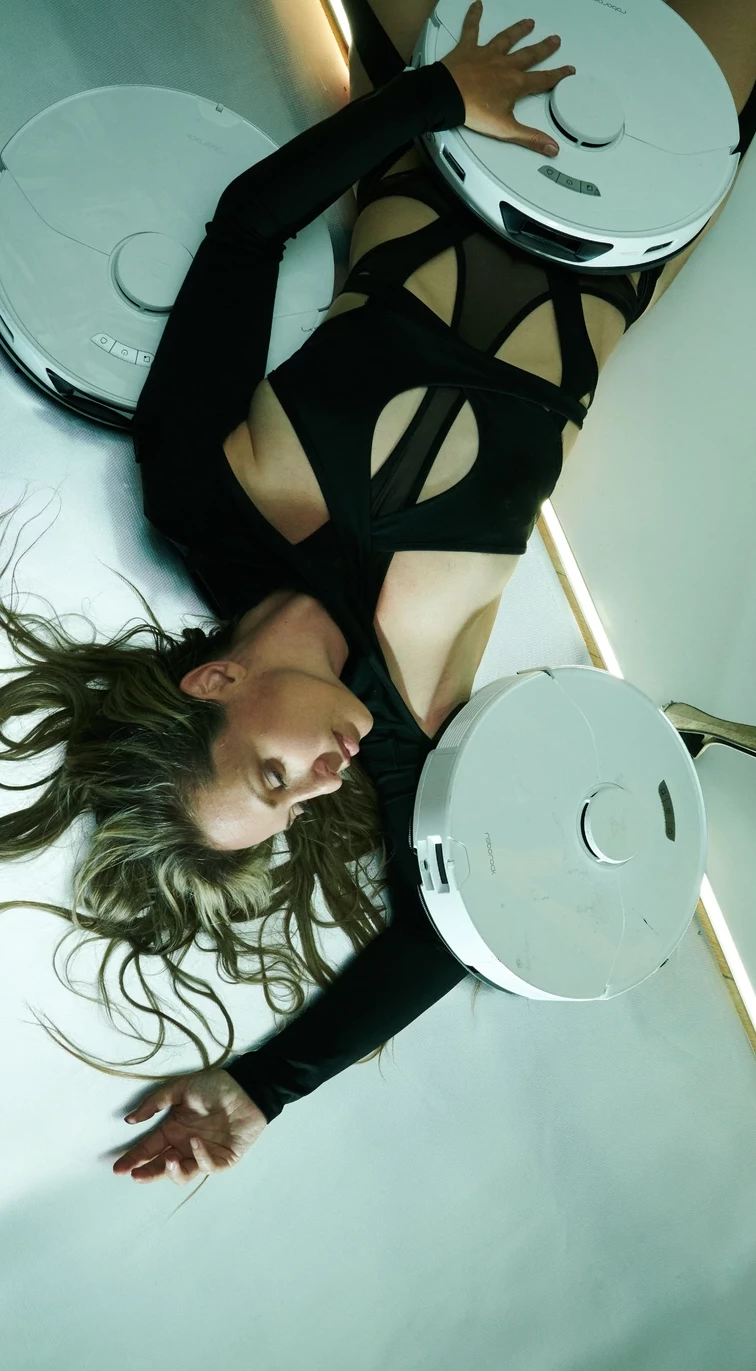
At an opening event for the HYBRID Biennale 2026, attendees can gain exciting insights into international and dynamically growing networks of innovative institutions at the intersection of art, research, and technology. For example, artist Silke Grabinger, Michael Eickhoff (Academy for Theater and Digitality, Dortmund), and Christian Zöllner (FABMOBIL/The Constitute and Academy for Applied Future, Oberlichtenau) will present their projects and institutions. In a concluding joint panel discussion featuring, among others, Uwe Richter (Head of the Smart City Department and Cultural and Creative Industries Office, Dresden), Sandy Csisko (Silicon Saxony e. V.), Han-Yu Feng and Yun Nien (NAXS Studio, Taiwan), the discussion will be expanded and opened to the audience.
In recent years, Austrian artist and choreographer Silke Grabinger has explored the intersections of art, AI, and robotics from both artistic and academic perspectives, presenting her work in various formats at festivals and institutions in Vienna, Linz, Venice, Berlin, London, and Asia. In a keynote address and short performance, she will present the concept “[Who] Rules to Encounter,” in which she artistically explores interactions between AI systems and humanoid robotics. The project is funded by the German Federal Cultural Foundation over several years as part of the “Art & AI” program and is being developed in cooperation with the Academy for Theater and Digitality in Dortmund.
The Academy for Theater and Digitality in Dortmund opened in 2023 in a state-of-the-art, approximately 2,000-square-meter new building as a space where artistic practice and technological development are inextricably linked. Here, theater makers and creative technologists explore and experiment with how the performing arts can be further developed in the context of profound technological changes: aesthetically, structurally, and institutionally. Founded in 2019 as the sixth division of Theater Dortmund, the Academy is today an internationally renowned artistic research institute and, as a key networking hub, a highly sought-after collaboration partner in regional and international projects. Situated at the intersection of art, technology, and society, the Academy’s areas of work range from artistic-technical research and prototyping to application-oriented testing and practical consulting, as well as fostering cultural-policy discourse and networking among stakeholders from the fields of culture, academia, and business. In addition, starting in 2026, the administrative office of the NRW Competence Network for Artificial Intelligence in the Arts, “K3 AI.Art.Culture,” will be established as part of the Academy for Theater and Digitality in Dortmund.
Over the next few years, the Academy for Applied Future will be established in the Baroque palace of Oberlichtenau, located between Bautzen and Hoyerswerda, with support from the Saxony Digital Agency and the Swiss Drosos Foundation, as a place for young people to meet, conduct research, and experiment. In addition to laboratories, there will be accommodations, greenhouses, on-site energy systems, and plenty of new perspectives that will be developed collaboratively through summer schools, residencies, courses, and workshops.
Silke Grabinger
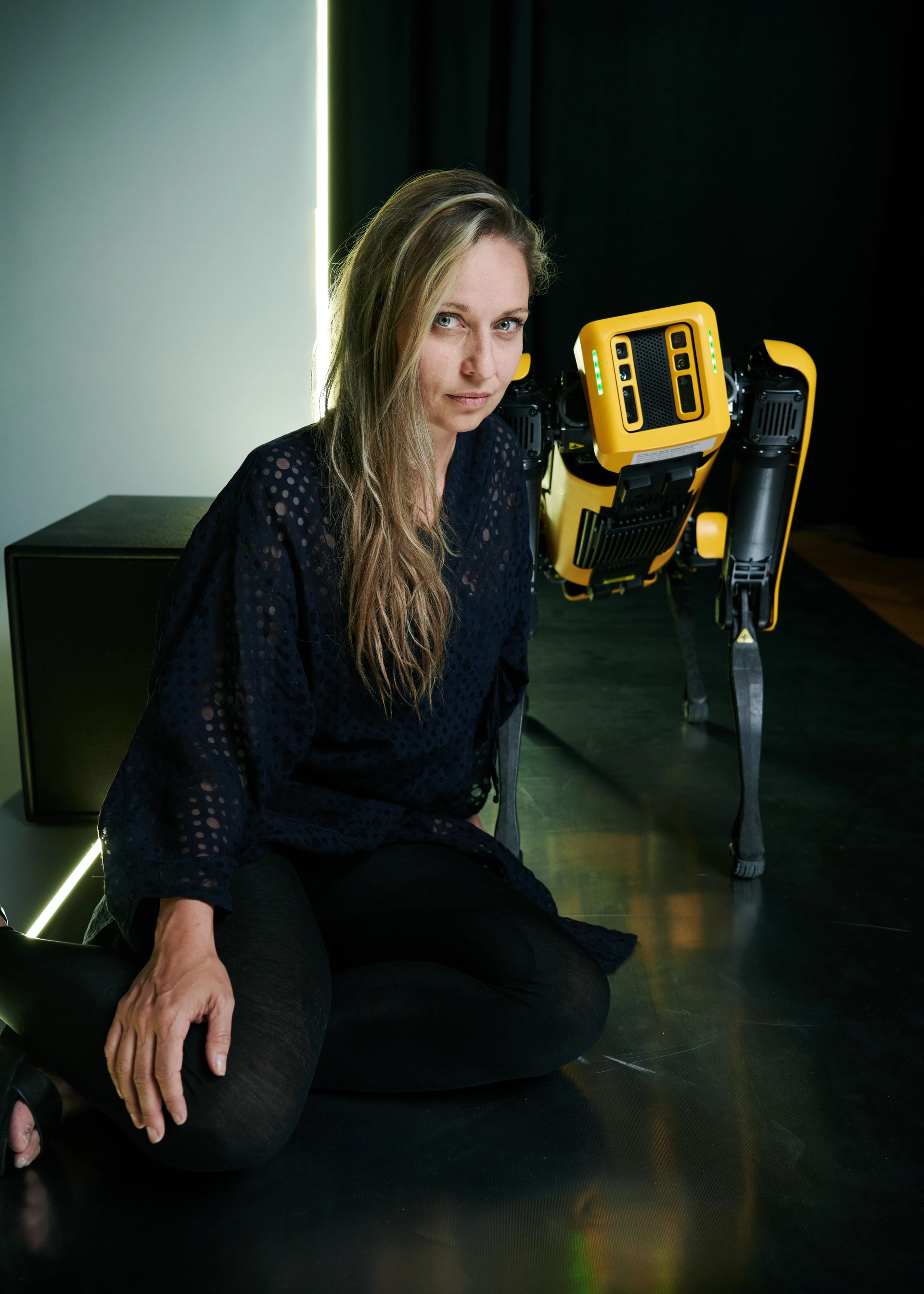
Photo: Meinrad Hofer
In her works and concepts, artist and choreographer Silke Grabinger combines urban and contemporary dance with performance art and robotics. She places particular emphasis on a critical examination of social phenomena, artistic paradigms, and the role and position of the audience. She is the founder and artistic director of the dance companies SILK Cie. and SILK Fluegge. In 2021, she opened KLISCOPE, an interdisciplinary space for dance and art, in a former chapel in Linz.
Michael Eickhoff
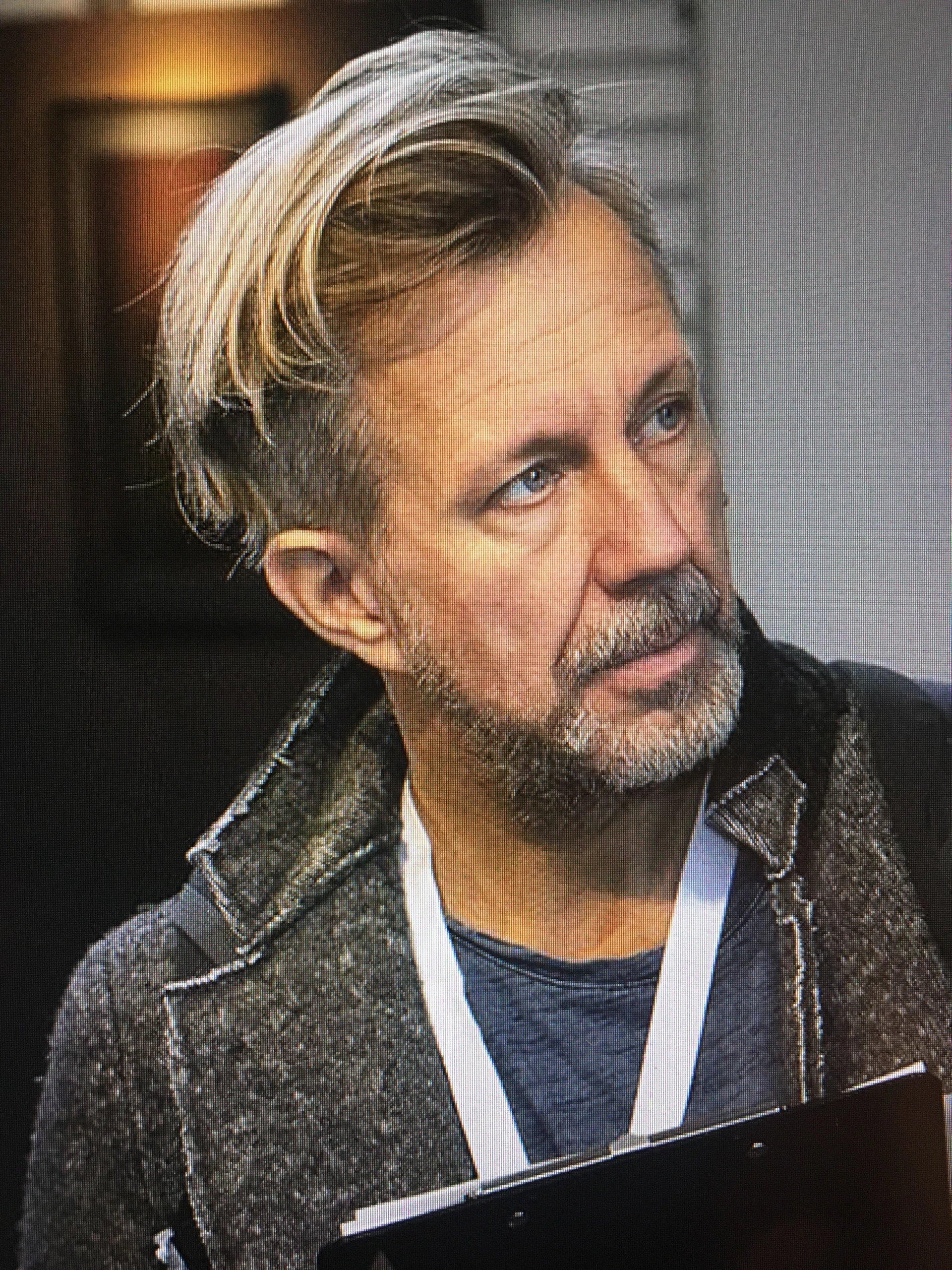
Photo: DIVR XR Science Award
Michael Eickhoff studied history, German language and literature, and sociology in Bielefeld and Paris. From 2010 to 2020, he served as chief dramaturg at Schauspiel Dortmund, where he supported productions, curated discussion series, festivals, and guest performances, and helped establish the Academy for Theater and Digitality. Since 2020, he has been working there on dramaturgy, international networking, and collaborations between the arts, academia, and business.
Christian Zöllner
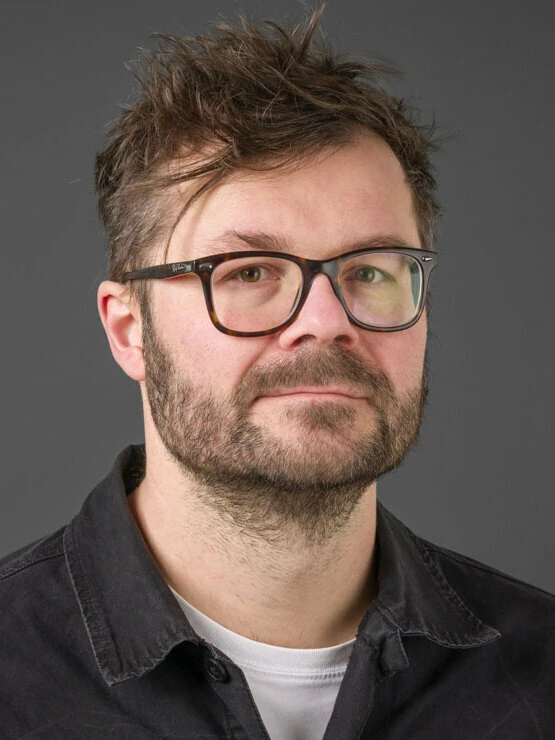
Photo: Michel Klehm
Christian Zöllner works at the intersection of product and interaction design, design research, and design education. He has taught in Amsterdam, Kiel, and Wuhan, among other places, and led projects in experimental product development at the Berlin University of the Arts (UdK) for over six years. Since 2018, he has been a professor of experimental design at Burg Giebichenstein. His areas of focus include future forecasting, design fiction, and speculative art practices.
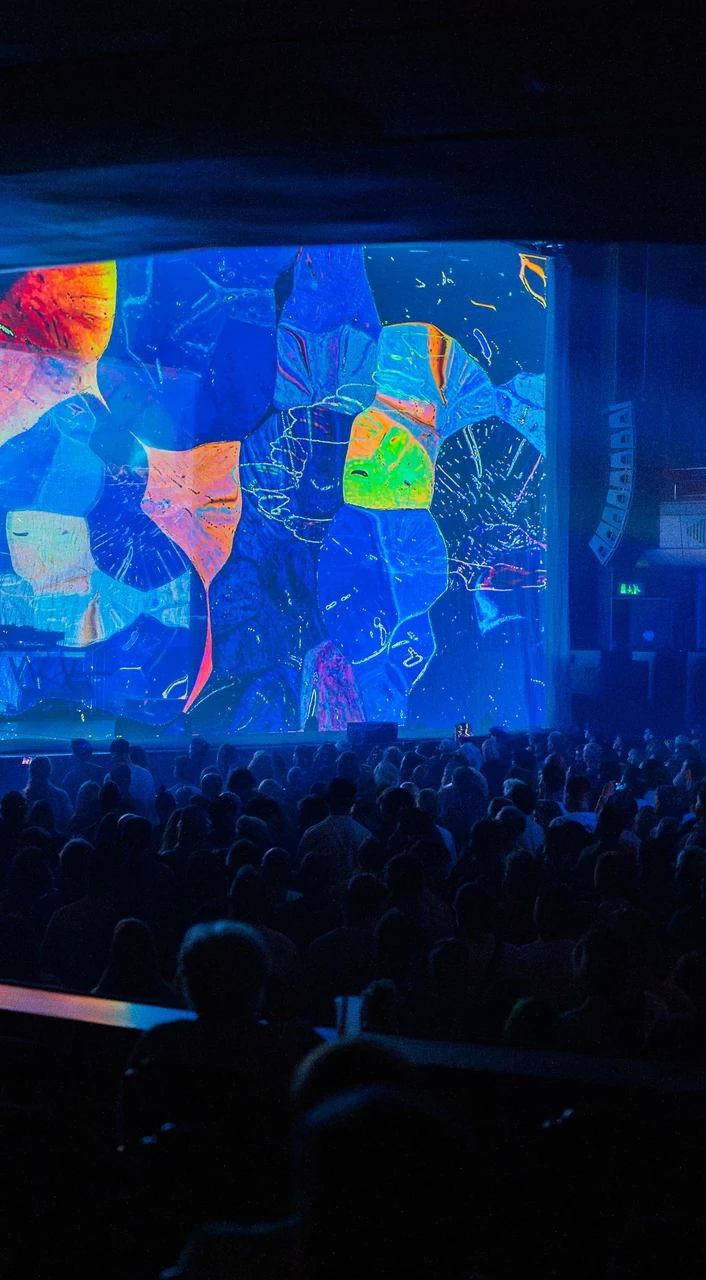

 DreamachineEstelle Schorpp & Charline Dally among othersDreamachineShowcase06.11.2026MusicHYBRID Biennale 2026